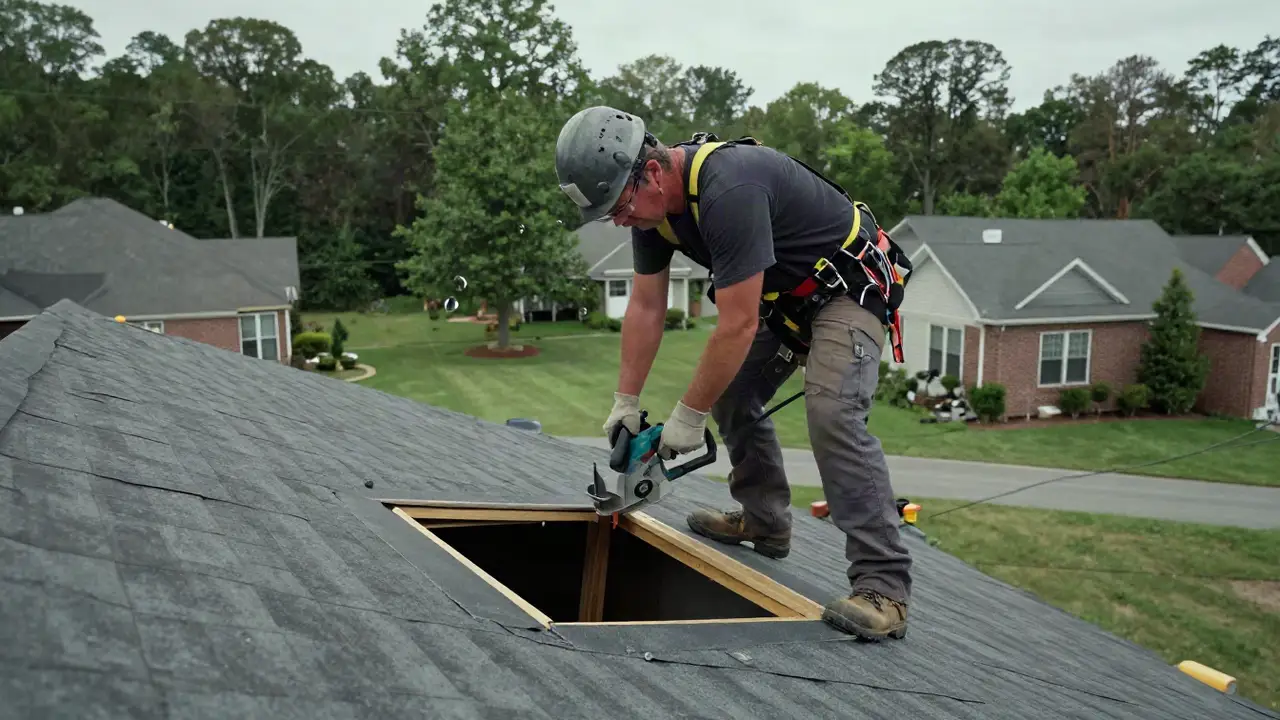
Balanced intake and exhaust vents, installed code-correct on your roof
Roof ventilation systems Charlotte NC that stop attic heat and moisture
Roof ventilation systems Charlotte NC homeowners rely on start with the right balance of intake and exhaust. We size ridge vents, soffit vents, and static vents to your attic's square footage, then install them so hot air leaves and cool air enters. If your upstairs runs 10 degrees hotter than downstairs or your attic smells damp, we can fix the airflow.
Live phone supportUpfront optionsBacked workmanship
What's included
What our roof ventilation service includes
Every job starts with an inspection and ends with a walkthrough. The scope below covers a standard balanced ventilation install. If your roof needs repairs or new flashing first, we tell you before we start, not after.
Attic and roof inspection
We measure attic square footage, check existing intake and exhaust, and photograph any moisture damage, rusted nails, or soft decking. This is where we find the real problem, not just the symptom.
Ventilation sizing and layout
We calculate net free vent area and match intake to exhaust. You get a layout that shows where each vent goes and why, so the system actually pulls air instead of stalling.
Vent installation
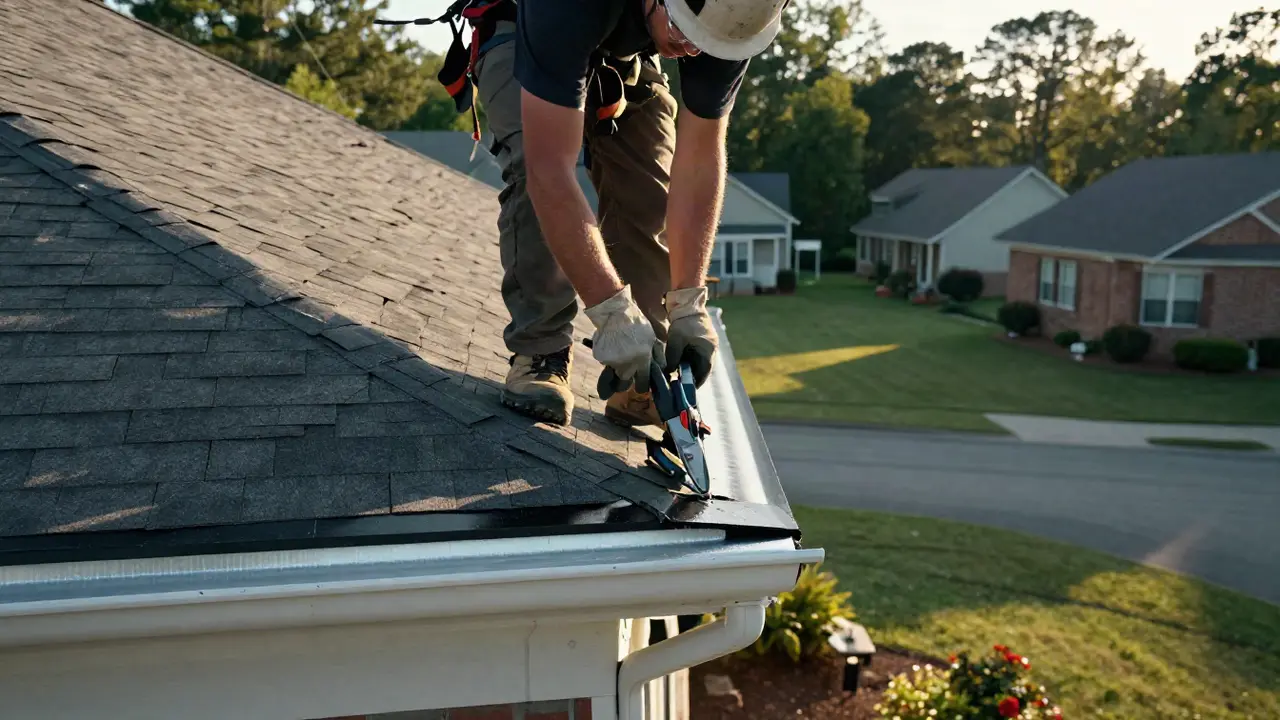
Ridge vents, soffit vents, static vents, or powered exhaust, cut in with a shingle cutter and set straight with a chalk line. We use roofing nails set flush and seal every edge.
Flashing and sealing
Ice and water shield goes behind every cut where the deck allows, plus roof flashing and sealant applied to manufacturer spec. This is what keeps a vent from turning into a leak.
Cleanup and haul-away
We run a magnetic sweeper across the yard and driveway, bag all debris, and haul it off. You should not be able to tell we were there except for the new vents.
Service overview
Roof ventilation systems Charlotte NC, sized right
Roof ventilation systems Charlotte NC is the network of intake and exhaust vents that moves air through your attic so heat and moisture leave instead of cooking your shingles from underneath. A complete system pairs soffit or edge intake with ridge, static, or powered exhaust. We measure your attic, calculate net free vent area, and cut in the vents your roof actually needs. No guesswork, no oversized boxes bolted to the deck.
Charlotte summers push attic temperatures past 140 degrees, and our humid springs leave moisture that condenses on rafters and decking. That combination warps sheathing, rusts nails, and shortens shingle life by years. If you have been searching for roof ventilation installation near me Charlotte NC, we handle the whole job: layout, cutting, flashing, and cleanup. Most homes we see in Mecklenburg County are under-vented on the intake side, which is the first thing we check.
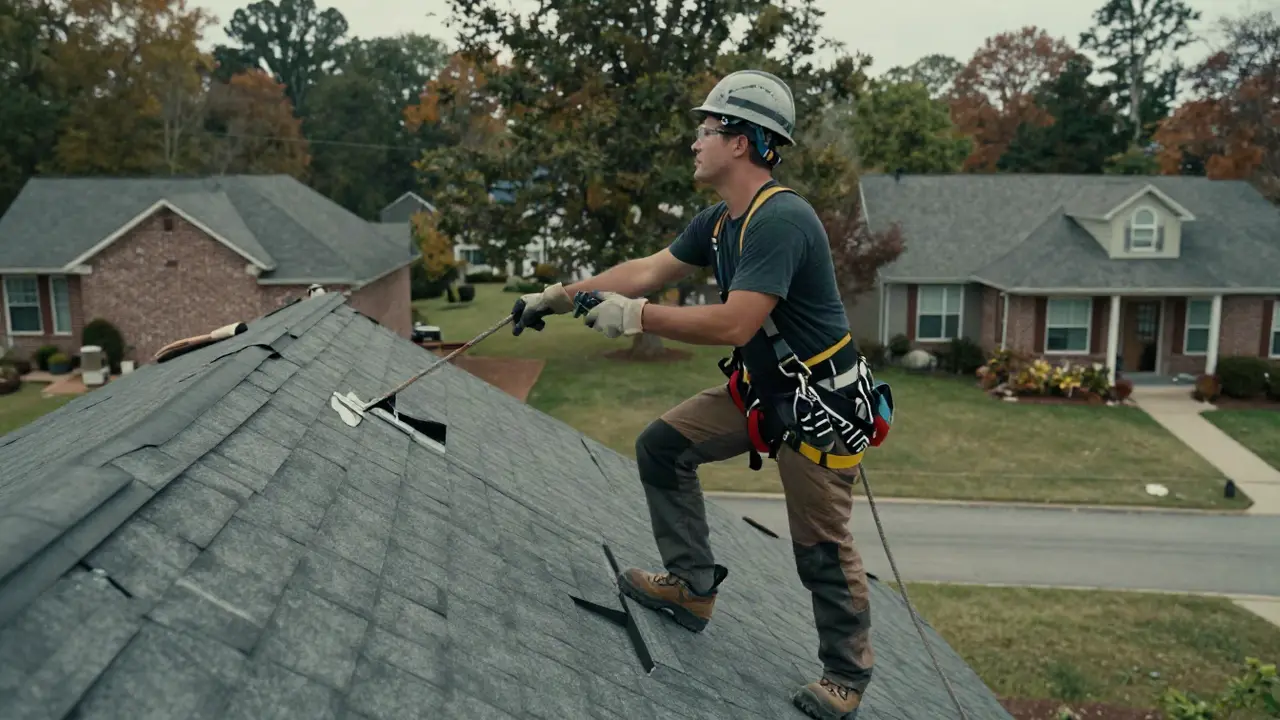
How we workWe verify the cause, compare realistic options, and confirm the repair before we leave.
The service timeline
How our roof ventilation installation works
The process flexes to the condition, but these checkpoints keep decisions clear.
Attic inspection
We climb into the attic and onto the roof, measure square footage, and check existing intake and exhaust. We look for blocked soffits, rusted nails, stained decking, and any signs of roof leaks. Expect 45 to 60 minutes and photos of everything we find.
Ventilation math
We calculate net free vent area against your attic size, usually targeting a 1:150 or 1:300 ratio depending on your vapor barrier. Then we match intake and exhaust so the system pulls air instead of just poking holes in the roof.
Install day
Most jobs take one day. We set ladder stabilizers, run roof safety harnesses, cut in ridge vents or static vents with a shingle cutter, and seal every penetration with roof flashing and caulking gun beads. Soffit vents go in from underneath.
Seal and flash
Every cut gets ice and water shield behind it where the deck allows, plus proper flashing and roofing nails set flush. We run a chalk line for straight vent runs so the finished roof looks intentional, not patched.
Cleanup and walkthrough
We sweep the yard with a magnetic sweeper for stray nails, haul off debris, and walk you through what we installed. You get photos of the finished vents and the airflow numbers we hit.
Tools & methods
Tools and methods we use
Purpose-built equipment, used by trained technicians, so the job is done accurately the first time.
Roofing nail gun
Sets shingles and vent flanges fast and at consistent depth. We adjust pressure per shingle type so nails seat flush without cutting into the mat.
Shingle cutter
Cuts clean openings for ridge and static vents without tearing the surrounding shingles. Cleaner cuts mean better flashing contact and fewer leak points.
Roof safety harness
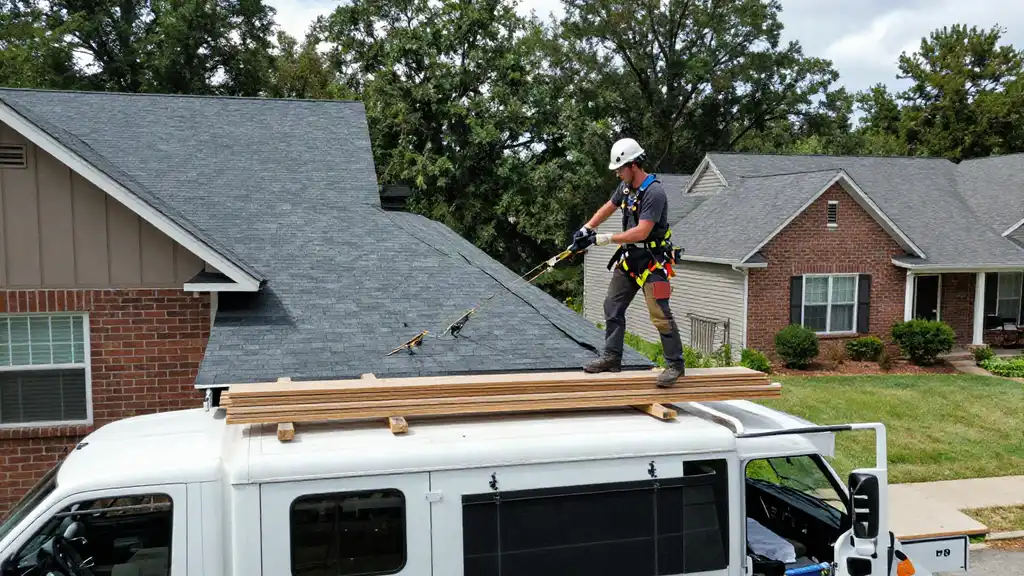
Every installer is tied off on any roof above six feet. We also use ladder stabilizers so the ladder does not shift while we are working.
Chalk line
Marks straight runs for ridge vents and soffit vent spacing. Straight lines matter for both airflow and how the finished roof looks.
Caulking gun
Applies sealant at vent edges and flashing joints. We use roofing-grade sealant rated for the temperature swings Charlotte sees.
Magnetic sweeper
Picks up stray roofing nails from the yard and driveway after every job. It is the last thing we do before we pull out.
Use cases
When Charlotte homeowners need ventilation work
These examples show how the service framework adapts rather than forcing every call through one repair.
Ballantyne home ice dams eliminated
A two-story home with a warm roof deck and recurring ice dams at the north eaves. Water had backed under shingles twice and stained the ceiling in a second-floor bedroom. → We balanced intake and exhaust and added ridge vent over the problem section. The deck now stays cold and even. No ice dams the following winter, and the ceiling stain was repaired.
University City bonus room usable again
A bonus room over the garage hit 96 degrees in summer. The attic above it had one static vent and blocked soffit intake from settled insulation. HVAC ran constantly and never caught up. → We cleared the intake, added a ridge vent over the bonus room section, and confirmed airflow with a smoke test. Room temperature dropped to 78 degrees at peak, and the HVAC cycles normally.
Problems we solve
Roof ventilation problems we fix in Charlotte
Most ventilation calls start with a symptom the homeowner can feel or smell. Here are the ones we see most often, what happens if you ignore them, and how we fix them.
Attic runs 20 to 40 degrees hotter than outside air
We add exhaust capacity where it is missing, usually a ridge vent, and open up the intake side. Attic temps drop 30 to 50 degrees at peak, and your system stops fighting the heat.
Dark staining and musty smell in the attic
We find where moisture is trapped, add exhaust vents to move it out, and check that intake is not blocked by insulation. We also flag any soft decking that needs replacement.
Ice dams forming at the eaves every winter
We balance the ventilation so the deck stays cold and even. Combined with proper intake at the soffits, that stops the melt-refreeze cycle that causes ice dams.
Rusted roofing nails and curling shingles
We install a properly sized system and repair any shingles or flashing already damaged. If the roof is too far gone, we tell you and quote a replacement instead.
Pricing process
What roof ventilation costs in Charlotte
$800 - $2,800 depending on attic size, vent type, and roof complexity
Attic square footage
Bigger attics need more net free vent area, which means more vents and more labor. A 2,000 square foot attic takes roughly twice the vent capacity of a 1,000 square foot one.
Vent type
Ridge vents are the most cost-effective per foot of airflow. Powered exhaust fans cost more up front and add an electrical connection. Static vents sit in between.
Roof complexity
Multiple roof planes, dormers, and skylights interrupt vent runs and add labor. A simple gable roof installs faster than a cut-up roof with valleys and hips.
How much does roof ventilation installation cost in Charlotte NC?
Most Charlotte attic ventilation installs run $800 to $2,800 depending on attic size and vent type. A simple ridge vent plus soffit vents on a 1,500 square foot ranch lands near the low end. Powered vents, multiple roof planes, or a full system on a two-story home push toward the top. We give you a written number before any work starts.
Do I need attic ventilation in North Carolina?
Yes, if your attic gets above 130 degrees in summer or shows any moisture staining. Charlotte's humidity and heat make ventilation a real structural issue, not a nice-to-have. If you see rusted roofing nails, curled shingles, or a musty smell upstairs, you need it. We check all of that during a free inspection.
What is the best roof ventilation system for Charlotte NC?
For most Charlotte homes, a ridge vent paired with continuous soffit intake is the best roof ventilation for Charlotte NC homes. It moves the most air with no moving parts and nothing to fail. Steep or complex roofs sometimes do better with static vents or a powered exhaust fan. We match the system to your roof, not the other way around.
Who installs roof vents near me in Charlotte?
We do. Roofing Repair Charlotte installs roof vents across Mecklenburg County, including University City, SouthPark, and Mint Hill. Call (888) 403-0810 and we will schedule an inspection, usually within a few days. You get photos, a written scope, and a fixed price before we cut anything.
Related services
Other roofing services we handle
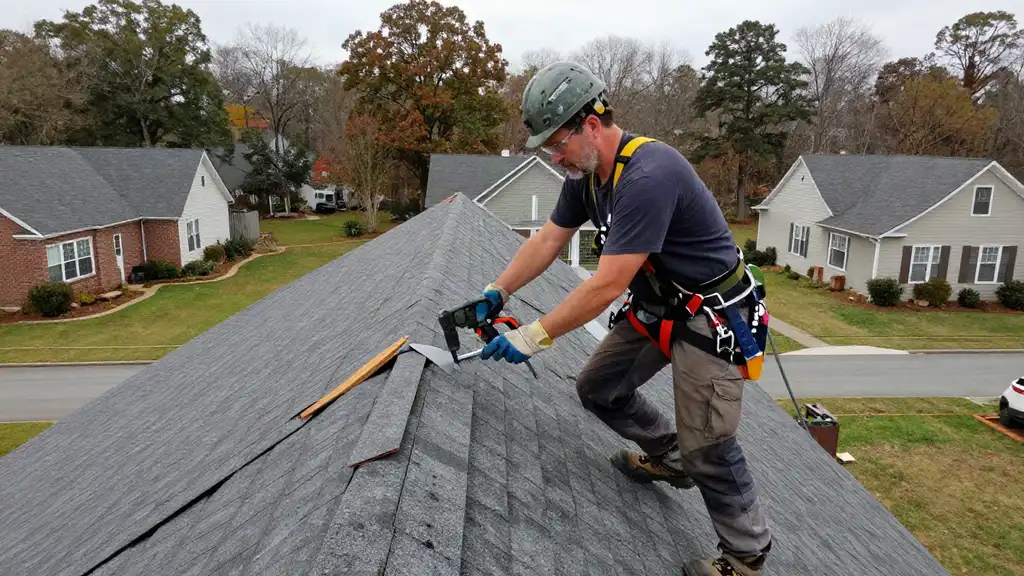
Roof Repairs
Ventilation problems often show up as roof leaks around old, failed vents. We repair the leak and fix the vent at the same time so you are not paying twice.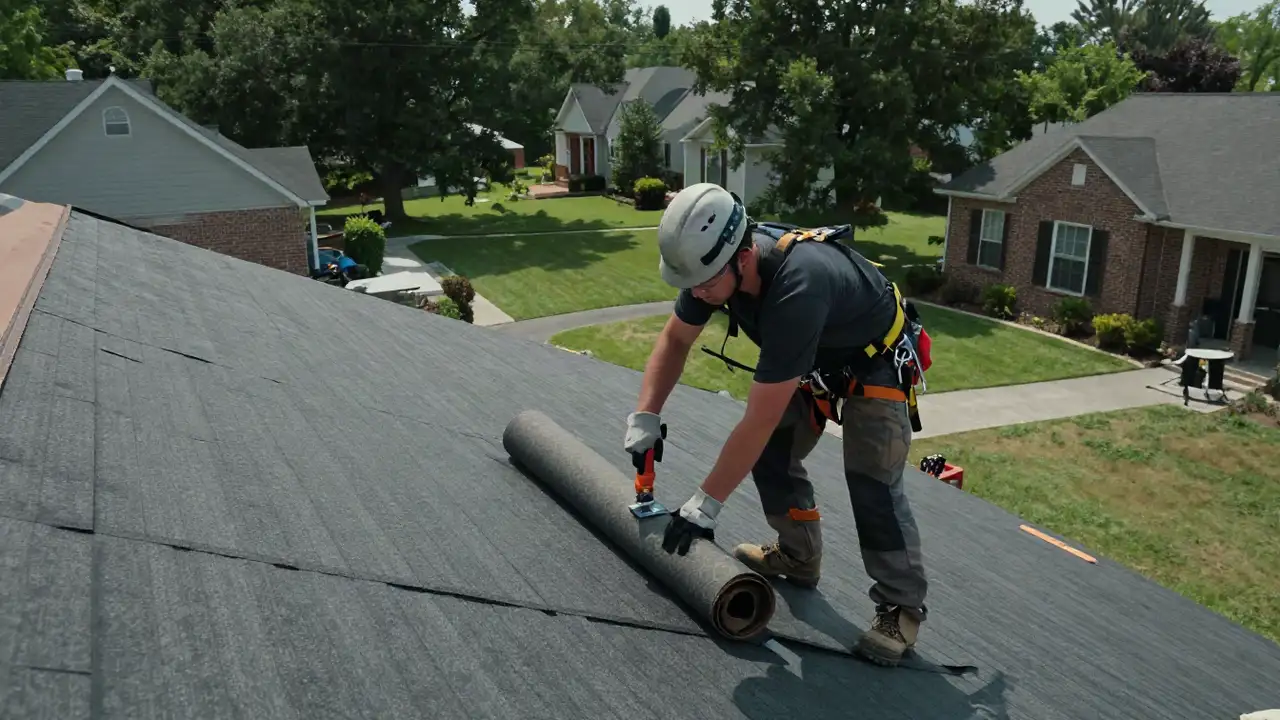
Roof Replacements
If your roof is at the end of its life, we build the ventilation system into the replacement. New decking, new underlayment, and correctly sized vents from day one.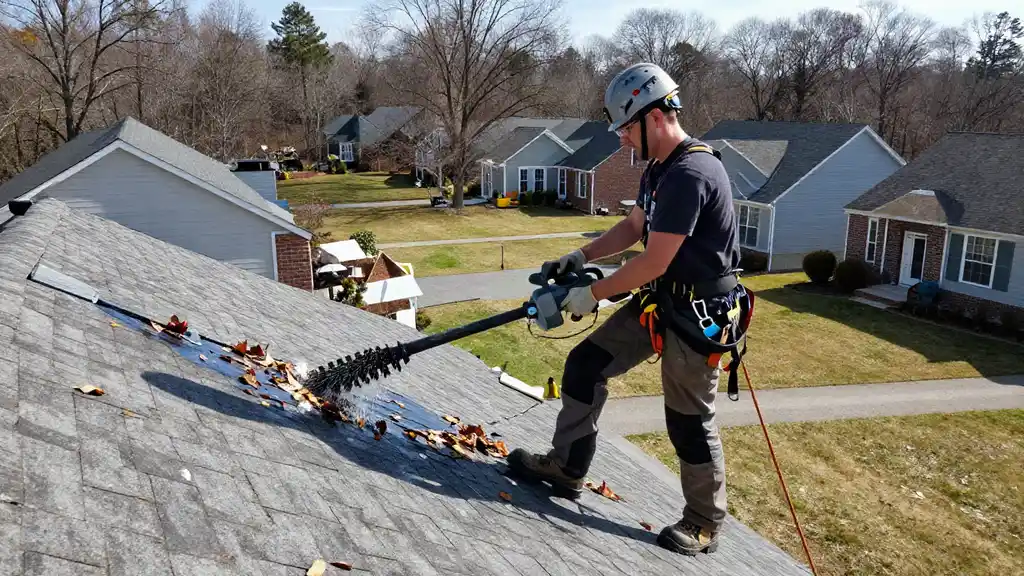
Roof Maintenance
Annual maintenance keeps vents clear of debris and checks that flashing and sealant are still doing their job. It is the cheapest way to protect a ventilation system.Ready when you are
Get your roof ventilation systems Charlotte NC quote
Call (888) 403-0810 and we will schedule a free attic and roof inspection. You get photos, a written scope, and a fixed price before we cut anything. Licensed, insured, and serving Charlotte since 2020.
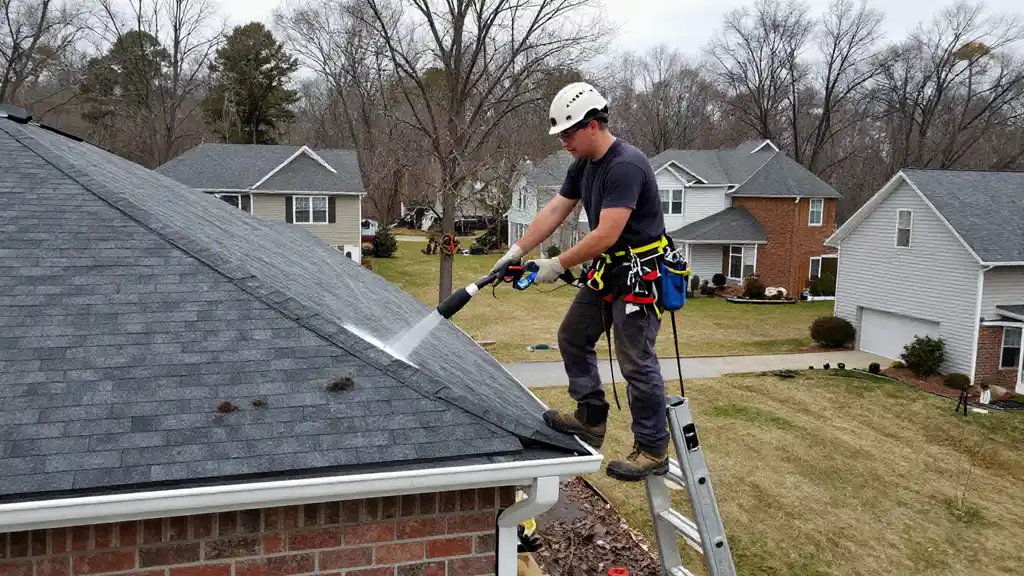
Talk with the local team
Request Roof Ventilation Systems
Call, text, or send us a message and we'll get back to you fast. Our phones are answered 24/7 for emergencies, and standard estimates are usually scheduled the same day. Tell us what's going on with your roof and we'll take it from there.